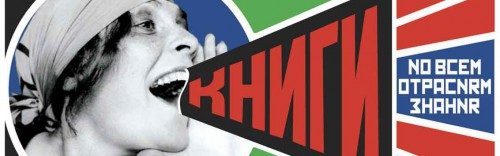
Today we are going to look at how radical activists use video in campaign productions. Activists have a political objective and use cultural and media production to demand a change or to bring an issue to public attention. Very often this will be done at risk of their own position and in some case this has meant imprisonment or worse. It’s important as film makers that you start to focus on what has meaning to you and how you can express it. We are going to be looking at two groups in particular, Voina and Liberate Tate. In these cases the combination of activism and art makes an effective media production.
Group 1: Liberate Tate
BP – polluters and exploiters since 1909 – have been corporate sponsors of the Tate Modern for some time and there is growing pressure to distance dirty oil from pure art. This is a interesting little film about an action that took place.
“The fact that BP had one major incident in 2010 does not mean we should not be taking support from them.” – Nicholas Serota, Director, Tate.
The Deepwater Horizon disaster did not end in 2010 for the communities affected; BP’s harmful impacts are numerous and occur across the globe year on year. In 2010-11 BP pushed forward expansion plans into the Arctic in Alaska, Canada and Russia.
Oil extraction in this region is only possible because of melting ice caused by climate change. Spills in Arctic waters are immensely more complicated than elsewhere, and indeed BP is itself responsible for the largest oil spill on Alaska’s north slope, at Prudhoe Bay in 2006, where the company continues to drill for oil.
So does activism work? Liberate
Group 2: Voina
What is Voina? The group is based in Russia and is internationally known for several actions of political protest art. They describe themselves as “Political orientation: anarchist. Enemies: philistines, cops, the regime. Organization type: militant gang, dominated by horizontal ties in everyday life and employing vertical relationships during actions. The group preaches renunciation of money and disregard towards the law (“the no-whoring way”). Founded by Vor and Kozlenok in October 2005, the group was named after Vor (“War”). Initially, Voina actions were clandestine and anonymous, and were called “training” or “practice”. Voina has enjoyed public recognition since 2008. To date, over 200 activists have participated in Voina actions. At least 20 criminal investigations into the group’s activities have been initiated, some of them still ongoing.”
They have a manifesto here that outlines their work. What is Voina? During the lecture are going to view some of their actions and then discuss their effectiveness.
Above: Giant Galactic Space Dick
In 2011 some members of Voina left to form Pussy Riot. They become internationally known for their actions against the State and the Church. The group were recently imprisoned after a trial that attracted international attention.

Above: Pussy Riot’s Nadezhda Tolokonnikova

Above: How To Snatch a Chicken
Both these groups (and there are many others that you can investigate) have grown out of a tradition of action art which can be traced back to movements such as Fluxus, the Situationists, neo-dadaists and the Viennese Actionists. The body, performance, happenings and intermedia all become concepts for experimentation and artistic exploitation.
How do the methods and approaches of these groups compare to the previous examples we have looked at? Is it just a matter of time before Pussy Riot are used to sell MacDonald’s? It is worth going to the Tate Modern to view some of the art work on show and explore what can be relevant to the campaign videos you are going to be producing.
 Truth be Told